Table Of Content
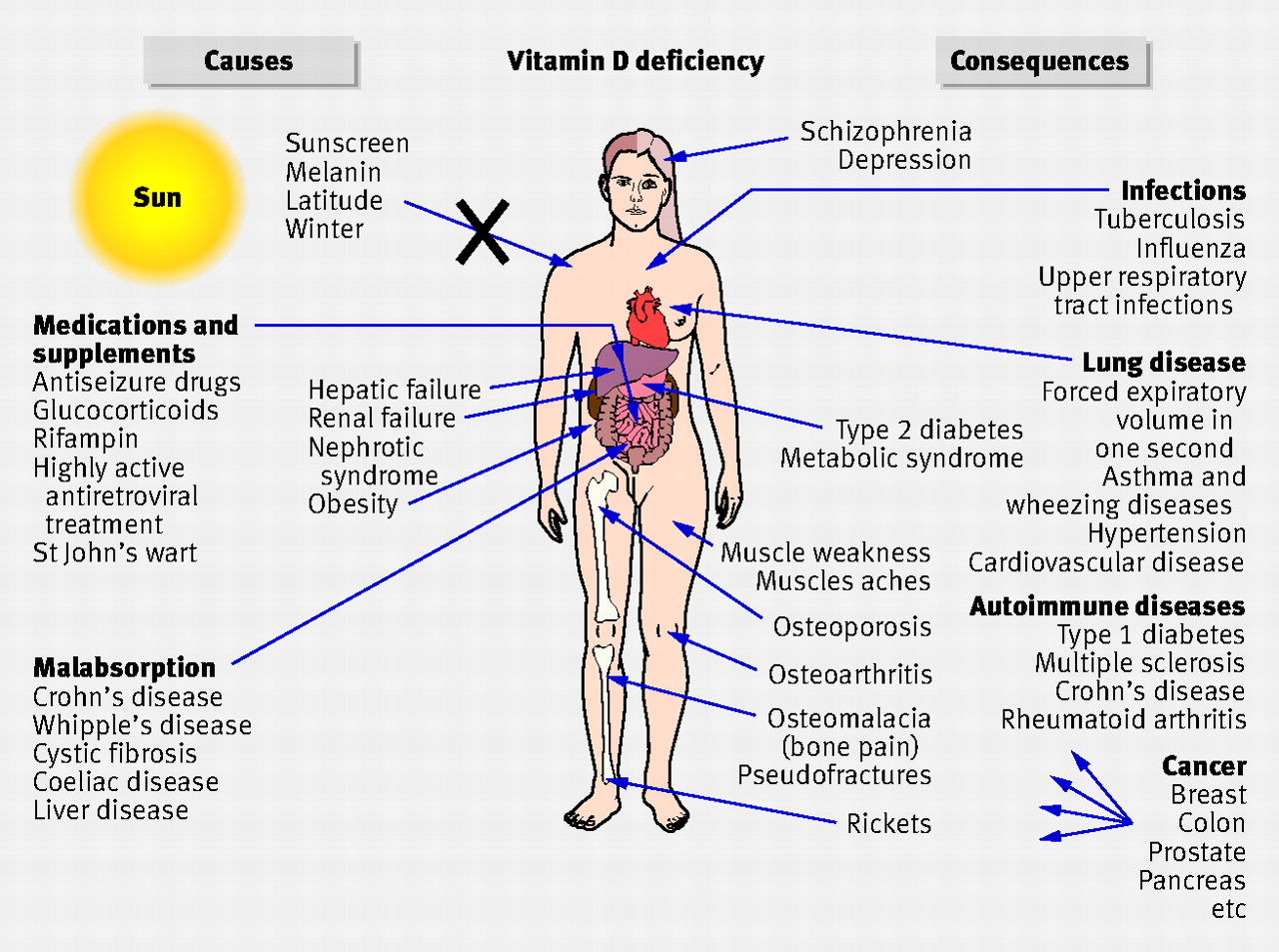
Vitamin D can also be obtained through supplements and foods such as oily fish, eggs and dairy products. Thus, if the vitamin D deficiency is not too severe, a change in diet can already bring about the first positive changes. To treat vitamin D deficiency, various vitamin D supplements are usually prescribed first.
Men's Health
Primary sources include poultry, fish, whole wheat, and fortified grains, which are rich in niacin and contribute to its bioavailability. Additionally, legumes, nuts, and seeds are valuable plant-based sources that can help diversify dietary intake. Biotin deficiency, clinically known as biotinidase deficiency, manifests through several dermatological symptoms, including hair thinning and loss, indicative of its critical role in skin and hair health. Beyond these dermatological signs, biotin deficiency can present with neurological symptoms such as depression, lethargy, and hallucinations, underscoring the vitamin's importance in neural function. Additionally, individuals may experience muscle pains and cramps, further complicating the clinical picture. Dietary modification is foundational, emphasizing the intake of vitamin E-rich foods such as nuts, seeds, and leafy greens.
Can Too Many Vitamins Cause Hair Loss?
The 8 Best Vitamins for Hair Growth of 2024 - Health.com
The 8 Best Vitamins for Hair Growth of 2024.
Posted: Wed, 24 Apr 2024 20:03:45 GMT [source]
The goal is correcting the deficiency rather than mega-dosing vitamin D. It's important to note that vitamin D dosage should always be determined by a healthcare professional based on individual needs and not just for hair loss. Some natural food sources include fatty fish like salmon, egg yolks, fortified milk and orange juice. However, it can be challenging to get enough vitamin D through diet alone.
Foods to avoid while taking Metformin
This prematurely pushes more resting follicles into the telogen (rest) phase. Hair follicles go through cycles of growth (anagen phase), a short transition stage (catagen phase) and rest (telogen phase). The anagen phase determines thickness, as that's when active hair growth occurs. But if you do have vitamin D deficiency or suspect you could be affected, it’s worth learning about its connection to hair loss.
How — and why — to fit more fiber and fermented food into your meals
Vitamin D is a fat-soluble vitamin synthesized in epidermal keratinocytes [53]. Vitamin D obtained from the diet or synthesis in skin is inactive and needs to be activated enzymatically. There is strong evidence that vitamin D exerts an anti-inflammatory and immunoregulatory effect, in addition to its important role in maintaining adequate serum levels of calcium and phosphorus [54, 56]. The mechanisms underlying the role of vitamin D in autoimmunity are not fully understood [54, 55]. Low vitamin D levels have been reported in several autoimmune diseases [54, 55, 57–60].
Studies show that too much vitamin A can contribute to hair loss, as can too much selenium, although more studies are needed to establish the latter relationship. For instance, deficiencies in vitamins such as biotin (B7), folate (B9), and B12 have been closely linked to hair loss. These deficiencies impair the hair growth cycle, leading to telogen effluvium, a condition where hair follicles prematurely enter the resting phase of the hair cycle, resulting in increased hair shedding. Clinical evidence suggests that once the underlying nutritional deficiencies are corrected, a normal hair growth cycle can be restored, leading to hair regrowth.
Vitamin D Deficiency Symptoms
This places older adults, especially females, at an increased risk of fractures. On the other hand, another study involving 15 patients with AA who took 50 mg zinc gluconate for 12 weeks showed good results in nine of the 15 subjects [128]. One proposed mechanism relates to how much vitamin D there is available to plug into vitamin D receptors in the hair follicle. This action is thought to stimulate new hair growth, so if there is a scarcity of vitamin D, some of those receptors could be left high and dry, failing to promote new hair growth [4, 5].
Most adults should get 1,500–2,000 international units (IU) of vitamin D daily. Vitamin D is sometimes called the sunshine vitamin because your body makes it from cholesterol when your skin is exposed to sunlight. Symptoms of vitamin D deficiency may include fatigue, frequent illness, anxiety, bone pain, and slower wound healing, among others. Several clinical studies have implicated oxidant/antioxidant discrepancy in patients with AA, which is a disease dependent on autoimmunity, genetic predisposition, and emotional and environmental stress. These studies have been reviewed, with most reviewers reporting increased levels of oxidative stress biomarkers and decreased levels of protective antioxidant enzymes in patients with AA [79].
Other Common Causes of Hair Loss
Which Vitamin Deficiency Causes Hair Loss? - First For Women
Which Vitamin Deficiency Causes Hair Loss?.
Posted: Wed, 17 Jan 2024 08:00:00 GMT [source]
There are different forms of vitamin D supplements, including tablets, drops and capsules. However, vitamin D intake should be discussed with the treating doctor, as the correct dosage plays a major role and too much vitamin D can potentially cause other problems. Incorporating iron-rich foods such as red meat, poultry, seafood, beans, and dark leafy greens into the diet is essential to effectively raising iron levels in the body. The bioavailability of heme iron, mainly found in animal sources, is notably higher than that of non-heme iron from plant-based foods. Hematologically, a deficiency can lead to megaloblastic anemia, where the bone marrow produces unusually large, structurally abnormal, immature red blood cells. This results in reduced oxygen transport, causing fatigue and weakness.
They may also rule out other causes for some of the symptoms you’re experiencing. A 2015 study in 48 people with this condition found that applying a synthetic form of vitamin D topically for 12 weeks significantly increased hair regrowth. A 2018 review of 81 studies found that people with arthritis, muscle pain, and chronic widespread pain tended to have lower levels of vitamin D than people without these conditions. Vitamin D helps maintain bone health by improving your body’s absorption of calcium. Data correlating TE and AGA with zinc level are not homogenous, and screening for zinc is not recommended.
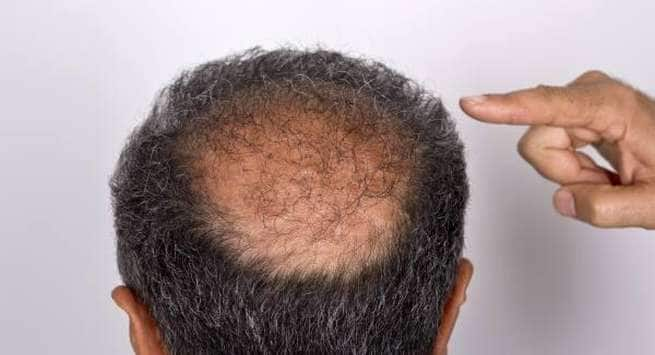
Overall nutrition, underlying conditions and genetics also play key roles. With prompt treatment guided by a healthcare professional, vitamin D levels can be restored. Once sufficiency is achieved, maintaining it through sensible sun exposure and a balanced diet should sustain healthy hair. In studies, boosting vitamin D levels promoted hair thickness and growth.



No comments:
Post a Comment